Bella Derma Skin Care Solutions in Reno, Nevada, offers a laser-based vaginal rejuvenation service named FemLift. While the name of this feminine wellness treatment might sound promotional, it is important for anyone considering this type of care to understand what it actually involves, what science currently supports, and what results are realistic to expect. We’ve created this article to provide clear, grounded information so that our clients can make thoughtful, informed decisions about their bodies and their personal health.
What sets FemLift apart from other treatments?
FemLift belongs to a broader category of care often called laser vaginal rejuvenation or energy-based feminine wellness treatments. These are non-surgical procedures that use focused light or energy devices to affect the soft tissues of the vulva and, in some cases, the vaginal opening. They are distinct from surgical procedures such as labiaplasty or vaginoplasty, which involve incisions, tissue removal, and longer recovery times. By comparison, FemLift is designed to be non-invasive, meaning there are no cuts, stitches, or general anesthesia involved.
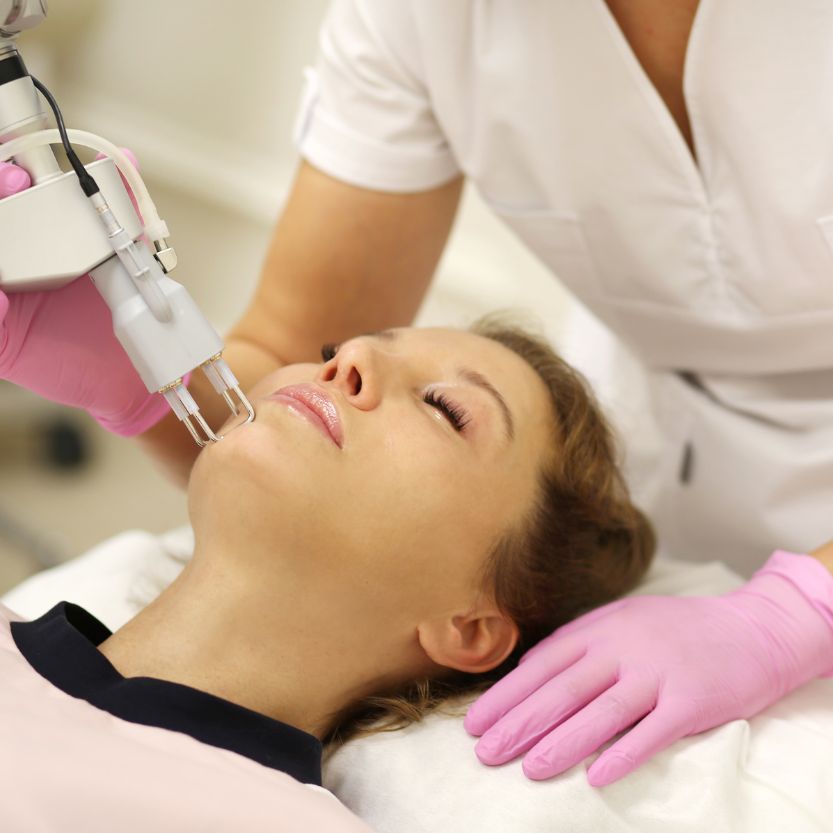
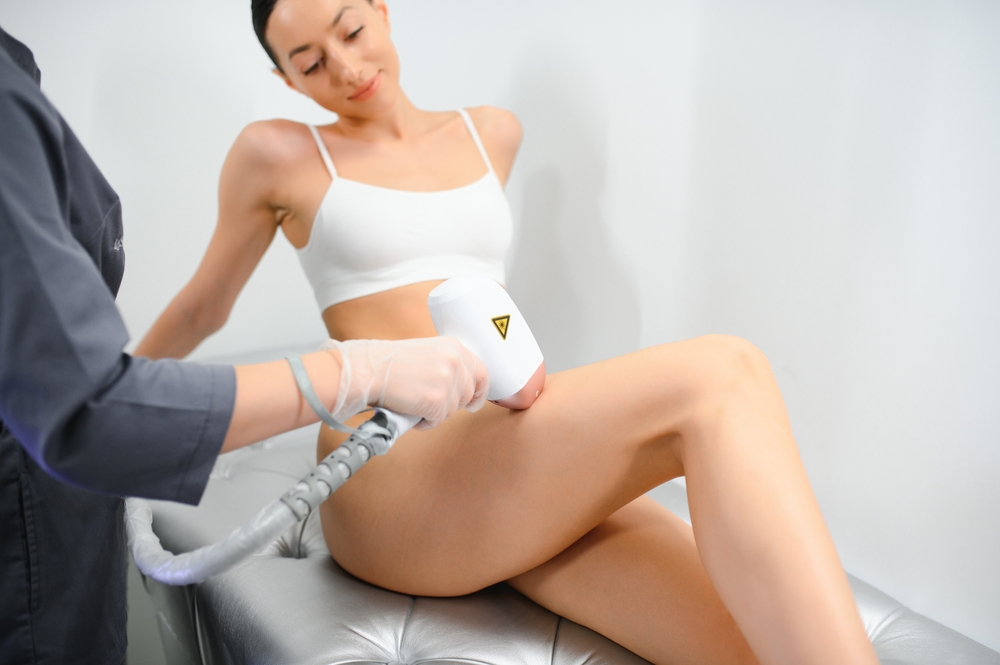
The Bella Derma FemLift protocol combines two main components. The first is Aerolase laser therapy, which uses a specific type of Nd:YAG laser energy delivered in very short pulses. The second is CO2Lift V, a topical carboxyl gel applied to the treated area as a finishing step. Understanding how each component works on its own helps clarify what the combined experience may offer.
Aerolase Laser Therapy
Aerolase laser technology operates at a wavelength of 1064 nanometers, which allows the energy to penetrate the skin while minimizing surface damage. The laser pulses are extremely brief, measured in microseconds, which reduces heat buildup and discomfort. In dermatology and aesthetic medicine, this type of laser is commonly used to stimulate collagen production, improve skin texture, and address concerns such as laxity, uneven tone, and thinning tissue. When applied to external genital tissue, the goal is similar: to encourage healthier skin structure, improved elasticity, and better overall tissue quality.
The laser energy interacts with water and blood components in the tissue, triggering a biological response that includes increased circulation and collagen remodeling. Collagen is a key structural protein that gives skin and connective tissue strength and resilience. As people age, or after hormonal changes such as menopause or childbirth, collagen levels naturally decline. This can lead to thinner, drier, or less elastic tissue in the vulvar area, which may cause discomfort, irritation, or changes in appearance.
CO2Lift V Topical Gel
CO2Lift V is a topical gel that works through a process known as the Bohr effect. When carbon dioxide is applied to the skin, the body responds by releasing more oxygen to the area. Increased oxygenation can support tissue health, hydration, and cellular activity. In medical settings, similar principles are used in wound healing and tissue recovery. CO2Lift V is marketed for use on vulvovaginal tissue to improve moisture, comfort, and skin quality, particularly in individuals experiencing dryness or irritation.
There is limited but emerging clinical research on CO2Lift V specifically for vulvovaginal concerns. A small randomized, double-blind, placebo-controlled study involving postmenopausal women with symptoms of vulvovaginal atrophy showed improvements in quality-of-life measures and sexual comfort after short treatment cycles. Tissue samples in that study suggested regenerative changes, although the small size of the trial means conclusions must be cautious. It does suggest that topical carbon dioxide therapy may help improve hydration and comfort in certain populations.
A Perfectly-Paired Synergistic Affect
When these two modalities are combined in our FemLift process, the rationale is that laser treatment may stimulate collagen and improve tissue structure, while the CO2 gel supports oxygenation, hydration, and recovery. It is important to note that while this pairing makes sense from a mechanistic perspective, there are currently no large, independent clinical trials studying the Aerolase and CO2Lift V combination as a single protocol. This means the benefits are inferred from what is known about each component individually rather than proven as a specific combined treatment.
Setting FemLift Expectations
In practical terms, the most realistic outcomes from a FemLift-style treatment are modest to moderate improvements in external vulvar tissue quality. Many individuals seek these treatments because of dryness, irritation, itching, burning sensations, or a feeling that the tissue has become thinner or less resilient over time. Improvements may include better hydration, smoother texture, reduced irritation, and a healthier appearance of the external genital skin. Some people also report improved comfort during intimacy when dryness or tissue sensitivity has been a contributing issue.

It is important to be cautious about expectations related to tightening. While mild improvements in laxity or firmness of external tissue may occur, these treatments do not replicate the effects of surgery. They are not designed to dramatically alter anatomy or provide guaranteed changes in sexual function. Claims of significant internal vaginal tightening, treatment of urinary incontinence, or major enhancement of sexual sensation are not strongly supported by high-quality scientific evidence at this time.
Professional medical organizations have urged caution in how energy-based vaginal treatments are presented. The American College of Obstetricians and Gynecologists has stated that these devices are not approved by the FDA for the treatment of menopausal symptoms, sexual dysfunction, or vaginal rejuvenation claims. Similarly, menopause-focused medical societies note that while research is ongoing, the current evidence base is still limited. This does not mean the treatments are ineffective or unsafe when properly used, but it does mean they should be framed as wellness or comfort-focused options rather than definitive medical solutions.
Safety is another important consideration. Non-surgical laser treatments are generally well tolerated when performed by trained professionals using appropriate protocols. Most people experience little to no downtime, and anesthesia is typically not required. Temporary redness, warmth, or mild sensitivity can occur, but serious complications are uncommon when treatments are performed correctly. As with any intimate procedure, candid discussion of medical history, hormonal status, and personal goals is essential.

When to Consider FemLift Treatments
FemLift and similar services may be most appropriate for individuals experiencing mild to moderate vulvar changes related to aging, hormonal shifts, or postpartum changes who are seeking non-surgical options. They are less suitable as a replacement for medical treatment of significant pelvic floor disorders, advanced urinary incontinence, or severe sexual dysfunction. In those cases, consultation with a gynecologist or pelvic health specialist is essential.
Ultimately, the value of a treatment such as FemLift lies in its potential to improve comfort, tissue quality, and confidence for the right individual, when expectations are realistic and informed. Understanding that these treatments focus primarily on external vulvar wellness, hydration, and skin health helps align the experience with what current science supports. When approached thoughtfully, they can be part of a broader conversation about feminine health, aging, and self-care rather than a promise of dramatic transformation.
If FemLift appeals to you, contact Bella Derma Skin Care Solutions today and schedule your personalized feminine wellness consultation. Book an appointment or call for a free consultation: 775-300-9862. If you’re in the neighborhood, drop by 6135 Lakeside Dr #119, Reno, NV 89511 for details.